
public
How does luck influence your casino experience?
The Concept of Luck in Gambling
Luck is a fundamental concept in gambling that significantly shapes the experiences of players in casinos. Unlike skill-based games, where strategy and knowledge play a crucial role, many casino games rely heavily on random chance. This randomness is what makes games like slot machines and roulette so exhilarating; players cannot predict the outcome, leaving them to rely on hope and belief in their good fortune. For those who want to enhance their gaming experience, exploring online casino neosurf options can also add a layer of excitement, as the anticipation of a lucky streak adds to the thrill of the game, drawing individuals into the dynamic gaming environment of a casino.
Furthermore, the psychological aspect of luck cannot be underestimated. Many players enter a casino with an optimistic mindset, envisioning potential wins. This notion of luck fuels gambling myths, leading players to believe they can influence random outcomes through rituals or superstitions. Such beliefs enhance engagement and investment in the games being played, as players feel a connection to the concept of luck. Understanding the balance between luck and skill helps players approach their gambling experiences with a more informed mindset, aligning their expectations with the unpredictable nature of outcomes.
Interestingly, different cultures have varying perceptions of luck, which can profoundly influence casino experiences. For instance, certain numbers or symbols may be deemed lucky in some cultures, affecting how players choose their bets. This cultural context shapes a player’s expectations when they step into a casino, either elevating their hope for a favorable outcome or heightening anxiety about potential losses. Overall, luck plays a multifaceted role in shaping one’s casino experience, merging psychology, culture, and chance into an intricate tapestry of emotions and expectations.
The Role of Chance in Casino Games
Chance serves as the backbone of every game played in a casino, establishing an unpredictable environment that keeps players returning for more. Whether it’s the spin of a slot machine or the roll of the dice in craps, every outcome is a product of chance. This element of uncertainty distinguishes casino games from other forms of entertainment, where outcomes are generally more predictable. Understanding this randomness is fundamental to how players engage with various games and their associated risks, as it encourages a sense of adventure and unpredictability.
This relationship with chance also influences player strategies, particularly in games that appear to have elements of skill. For example, poker involves a degree of skill in bluffing and reading opponents, yet the cards drawn are entirely random. A player can spend years honing their strategies, but ultimately, luck can shift the balance of the game in an instant. This unpredictability fosters a dynamic environment where the thrill of both winning and losing is palpable, keeping players in a constant state of excitement and alertness.
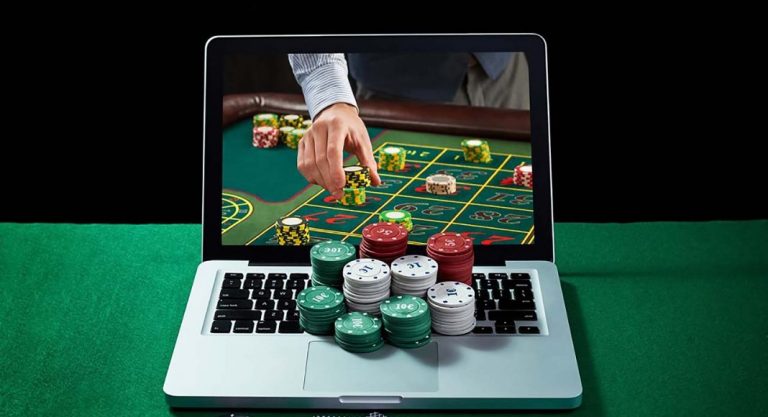
Moreover, casinos often capitalize on the allure of chance through their marketing strategies. From jackpots promising life-changing payouts to promotional events showcasing lucky winners, the messaging focuses on the potential of striking it big. This creates a compelling narrative that draws in potential customers eager to test their luck against the odds, thereby enhancing their overall experience within the casino atmosphere. The excitement generated by chance is an integral part of what makes gambling appealing to so many.
The Psychological Impact of Luck on Players
The psychological effects of luck are profound in shaping the casino experience. Many players feel a heightened sense of motivation when they believe they are experiencing good luck, often leading to a “winning streak.” During such streaks, players may continue to gamble based on short-term successes, often disregarding the long-term nature of the odds. The emotional highs associated with winning can lead to increased playtime and spending, intensifying the thrill of the gambling experience and reinforcing the allure of luck.
Conversely, the fear of bad luck can significantly impact a player’s decision-making process. Many gamblers may choose to walk away after a series of losses, convinced they are on a “bad run.” This psychological phenomenon can drive players to make impulsive decisions, such as increasing their bets in hopes of recovering losses. Such behaviors illustrate how luck can influence not only players’ actions but also their emotional states and overall perceptions of their gambling journey.
The casino environment itself is meticulously designed to enhance these psychological effects. Bright lights, engaging sounds, and the presence of other players create an immersive atmosphere that heightens emotions and perception of luck. This carefully curated experience encourages players to remain in the moment, focusing on their games while blurring the line between rational thought and emotional impulse. In this way, casinos exploit the psychological components of luck to create an addictive and unforgettable gaming experience that resonates deeply with players.
The Role of Luck in Casino Strategies
While many players rely on strategies to improve their odds, luck remains an intrinsic factor in determining whether those strategies pay off. Various games feature unique approaches to strategy, but the randomness inherent in casino games means that no strategy can guarantee a win. For example, in blackjack, players can make calculated decisions based on odds, yet a poorly dealt hand can result in a loss despite optimal play. This reality highlights the importance of accepting that luck ultimately governs outcomes in the casino setting.
Developing a gambling strategy often revolves around understanding the house edge—how much of an advantage the casino has over its players. Even the best strategies may not consistently overcome the house edge, reinforcing the idea that luck is a wild card in the gambling equation. Many successful gamblers understand this balance, approaching their games with a sense of realism about the role luck plays in their sessions while still seeking to refine their skills and strategies.
Ultimately, the interplay between luck and strategy provides a more complete understanding of the gambling experience. While many enthusiasts pursue skill development and strategic improvement, recognizing that luck remains an unpredictable force can lead to a more enjoyable and balanced gambling experience. Acknowledging this dynamic allows players to embrace the thrill of chance while pursuing opportunities for strategic play, fostering a healthier relationship with gambling.
Exploring More About Your Casino Experience
Understanding how luck influences your casino experience can lead to measured expectations and a more enjoyable time in the gaming environment. Online resources and guides are available that offer insights into not only the mechanics of various games but also the psychological aspects at play within the casino atmosphere. By delving into these areas, players can enhance their knowledge and make informed decisions regarding their gambling activities, leading to a more satisfying and enriching experience.
Whether you’re a seasoned player or a newcomer, engaging with articles and discussions on luck and gambling strategies can provide valuable information to enhance your experience. Many platforms feature community forums where players share personal stories and experiences, further enriching the understanding of how luck operates in gambling. Engaging with these resources helps deepen appreciation for the unpredictability that accompanies casino games and fosters a sense of camaraderie among players.
In conclusion, the influence of luck within a casino setting is both complex and multifaceted. Recognizing its impact can help players manage their expectations and approach their gambling experiences with a healthy blend of excitement and realism. Embracing both the thrills of chance and opportunities for strategic play enhances the overall enjoyment of the casino experience, making it not just about winning or losing but about the exhilarating journey that gambling offers.
